
info@puredutchee.com
Phone
+31 (0)85 333 2003
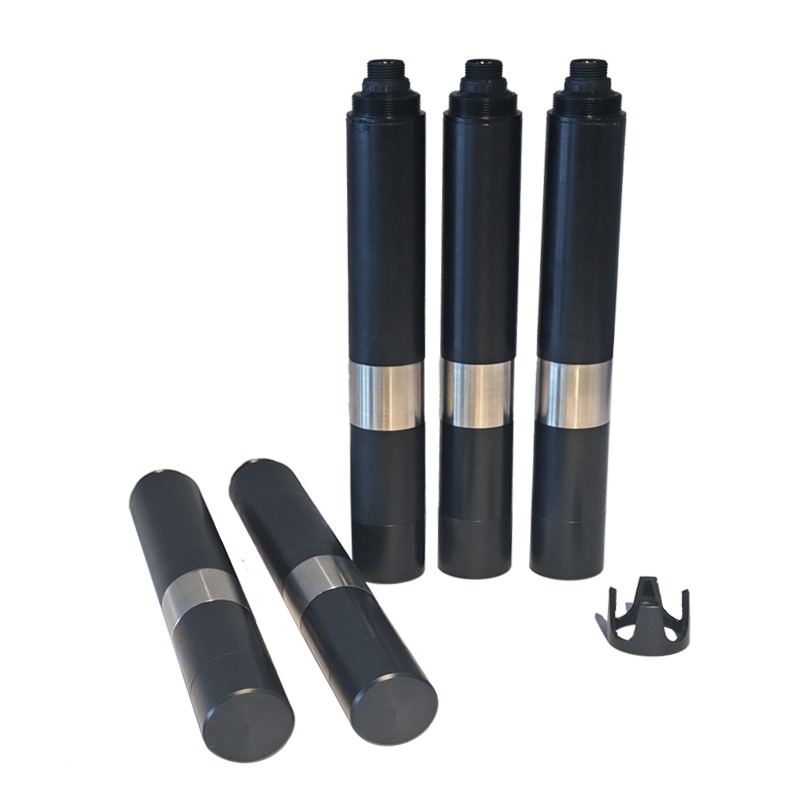
In every wastewater treatment plant, controlling pH is one of the most fundamental aspects of process management. Whether the goal is to protect downstream biological treatment, comply with discharge regulations, or prevent corrosion, accurate pH measurement is critical. Online pH sensors have become the industry standard for ensuring stability and efficiency.
pH directly influences biological activity, chemical dosing, and the solubility of contaminants. Most treatment processes operate optimally within a narrow pH range. For example, nitrifying bacteria in biological treatment are highly sensitive to acidic or alkaline conditions. If pH drifts outside the acceptable window, plant performance suffers, leading to higher costs and potential compliance issues.
pH sensors provide continuous, real-time data on the acidity or alkalinity of water. Unlike manual sampling, which can delay corrective action, online pH sensors allow operators to respond immediately. This reduces the risk of process upsets, optimizes chemical dosing, and ensures consistent effluent quality.
Key advantages of using pH sensors include:
Not all pH sensors are created equal. Factors to consider include:
pH sensors are more than just instruments, they are essential tools for stable, cost-efficient, and compliant wastewater treatment. By implementing reliable pH monitoring, operators can safeguard processes, protect the environment, and reduce operational risks.
Looking to improve your pH monitoring? Explore our pH Sensors designed for wastewater applications, or get in touch with us today for expert advice and a free quote.

